When you first hear the name “Aliyah Boston boyfriend,” a cascade of questions follows: Who is Aliyah? What qualities does she value? And how can anyone interested in her or a similar partner chart a clear path forward? This guide breaks the puzzle into bite‑size scenarios, giving you concrete steps to make sense of the dating landscape while keeping the conversation light and actionable.
Understanding the Core: What Aliyah Boston Looks for in a Partner
Aliyah, known for her drive and confidence, tends to gravitate toward people who match her ambition without eclipsing her own voice. Look for traits like genuine curiosity, emotional resilience, and a willingness to support personal goals. Rather than trying to fit a perfect mold, focus on showcasing authentic interests—you’ll stand out more than any rehearsed line.
- Authentic storytelling: Share a recent challenge you tackled, highlighting both the struggle and the growth.
- Balanced independence: Demonstrate that you can enjoy solo adventures while still cherishing shared moments.
- Respectful enthusiasm: Celebrate her achievements without turning every conversation into a competition.
Mapping the Relationship Timeline Like a Table of Contents
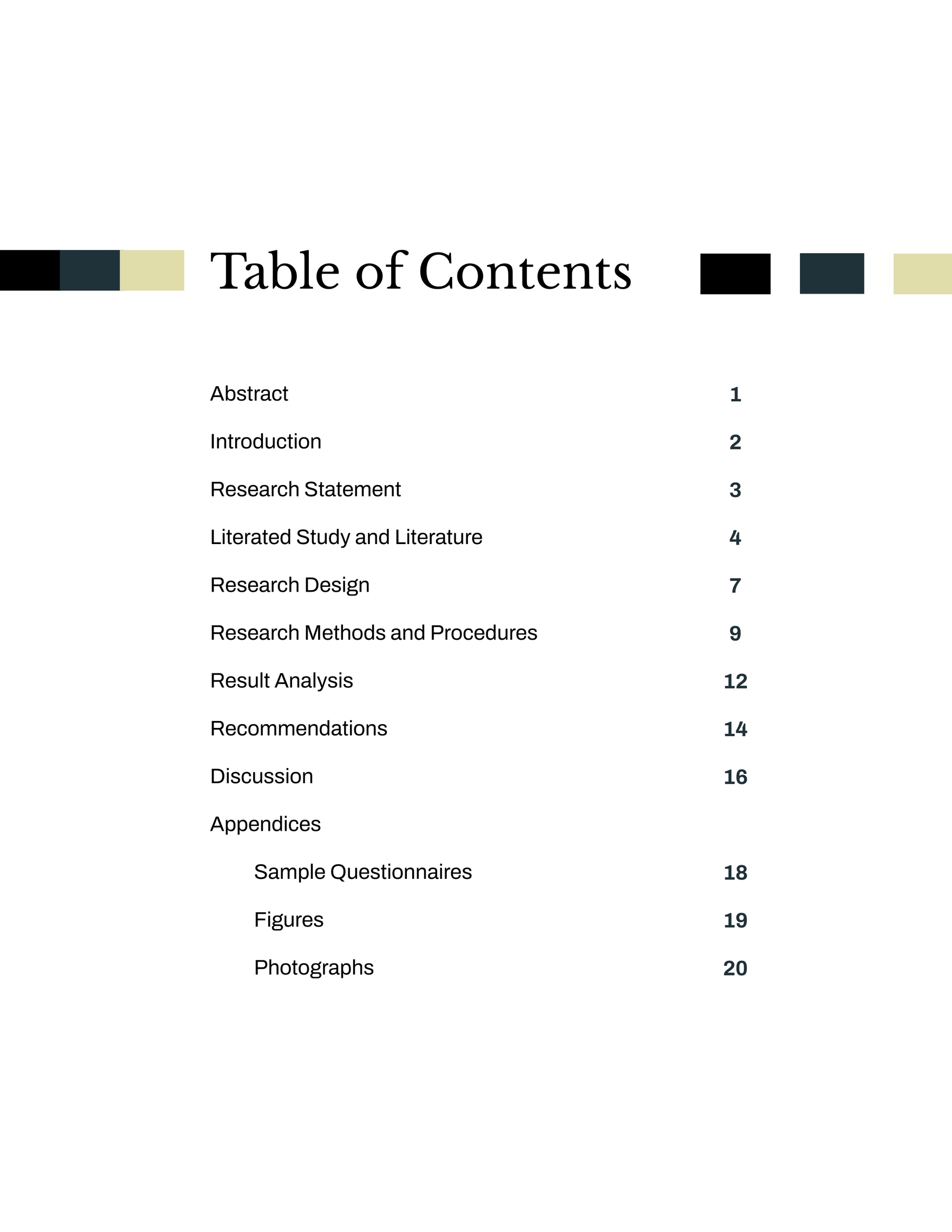
TJust as a well‑crafted table of contents offers a roadmap for a research paper, you can treat the early stages of dating as a structured outline. Begin with “Introduction” (the first meeting), move to “Methods” (how you communicate), then “Results” (shared experiences). This framework helps you stay aware of where you are and what comes next, preventing the common pitfall of vague expectations. By defining clear checkpoints—like a weekend getaway or a deep‑talk night—you create a narrative that both partners can follow, making the journey feel purposeful rather than chaotic.
Communicating Effectively: Real‑World Scenarios and Tips
Imagine you’ve just learned that Aliyah has a big tournament coming up. Instead of generic support, tailor your response:
- Ask a specific question about her preparation routine.
- Offer a small, thoughtful gesture, such as a favorite snack.
- Set a follow‑up time to debrief after the event, showing genuine interest in her experience.
This three‑step approach signals that you’re listening, you care, and you respect her schedule. In practice, replace vague “Good luck!” with a focused “I’d love to hear how your strategy on defense goes—maybe we can grab coffee after the game?” The result is a conversation that feels both personal and purposeful.
Creating Shared Goals: A Practical Checklist
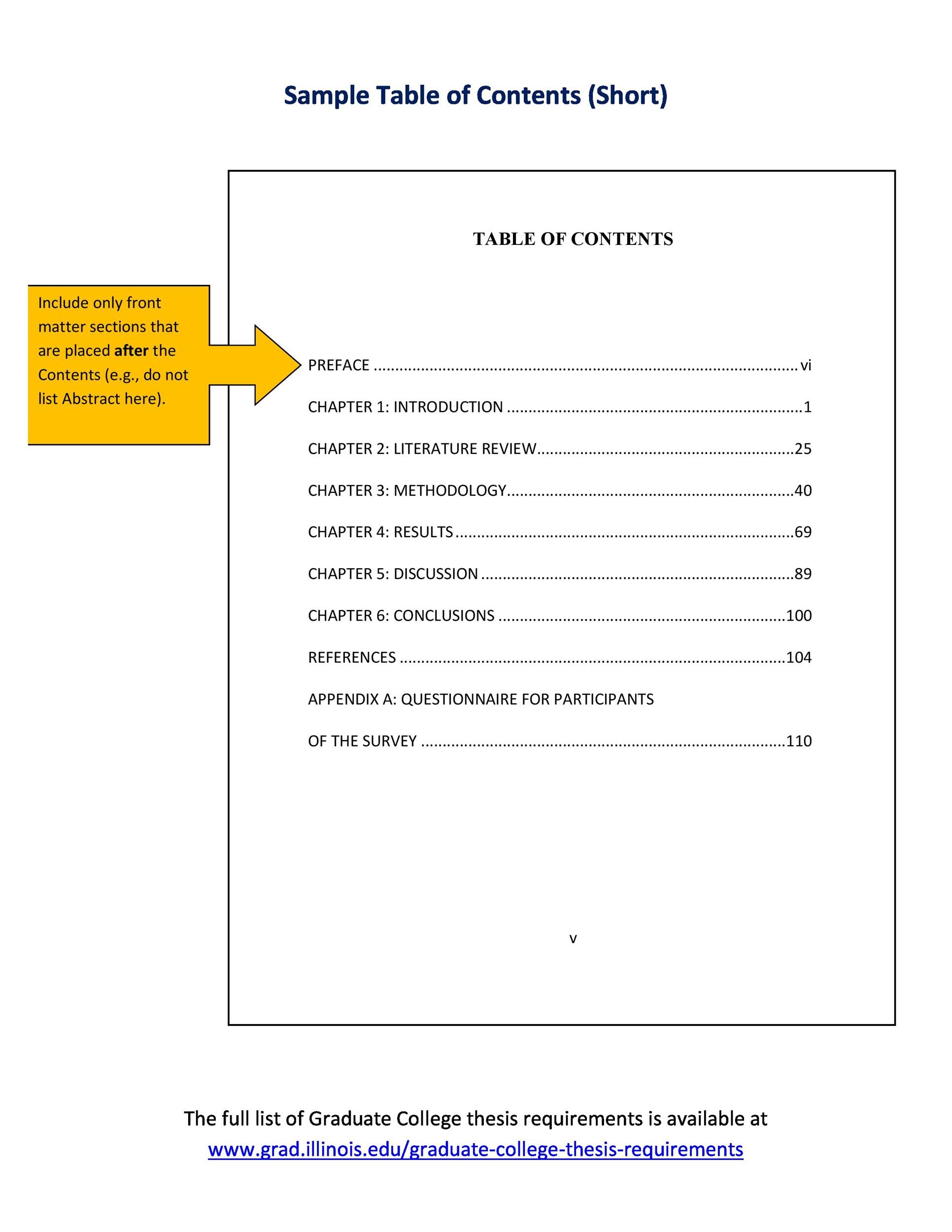
Turning aspirations into actionable items works wonders for any budding partnership. Use a checklist that mirrors a table of contents: each bullet point becomes a “chapter” in your shared story. Sample items include:
- Plan a monthly “adventure day” where you explore a new spot together.
- Set a weekly “tech‑free hour” to focus solely on conversation.
- Identify a long‑term milestone—whether it’s a joint fitness goal or building a travel bucket list.
Review the list together every few weeks, celebrating completed items and tweaking unfinished ones. This habit creates momentum, reinforcing the idea that you’re building something tangible together.
Maintaining Momentum: Actionable Steps for Long‑Term Success
Staying engaged after the initial excitement fades is where many relationships stumble. To keep the spark alive, integrate micro‑habits into daily life. For instance, send a brief voice note midday describing a funny observation; it adds personality without demanding a lengthy chat. Another tip is the “one‑new‑thing” rule: each week, each partner introduces a small novelty—a recipe, a podcast episode, or a local event. These fresh inputs continuously feed curiosity and conversation.
Finally, schedule a quarterly “relationship audit.” Pick a relaxed setting, review what’s working, and adjust any stale patterns. By treating the partnership as a living document—much like the evolving table of contents in a research paper—you ensure that growth remains intentional, not accidental.
