In the high-pressure environment of New York baseball, few things are as visceral as the bond between a rising star and his parents. Anthony Volpe, the dynamic shortstop for the New York Yankees, has quickly become a household name, but behind his professional ascent is a family infrastructure rooted in support and a deep-seated passion for the game. For the detail-oriented observer, understanding the role of Anthony Volpe's dad provides a glimpse into the mental toughness and competitive drive that define the young infielder's approach on the diamond.
The Influence of Parental Support on Volpe's Career
While Anthony Volpe often takes the spotlight during the ninth inning, his foundation was built long before he reached the Major Leagues. The relationship between a player and their father in professional sports often oscillates between mentorship and emotional support. In Volpe's case, the presence of his father in the stands is a constant. This support system is critical for a young player navigating the intense scrutiny of the New York media market, providing a grounding force when the pressures of the Bronx reach a fever pitch.
The dynamics of the Volpe household emphasize a balance of discipline and encouragement. By fostering an environment where hard work is prioritized over innate talent, his father helped instill a work ethic that allowed Anthony to transition seamlessly from a highly touted prospect to a legitimate MLB starter. This paternal influence is evident in the way Volpe handles adversity, often maintaining a composed demeanor even when the game fluctuates in momentum.
Anthony Volpe's Dad and the Intensity of New York Rivalries
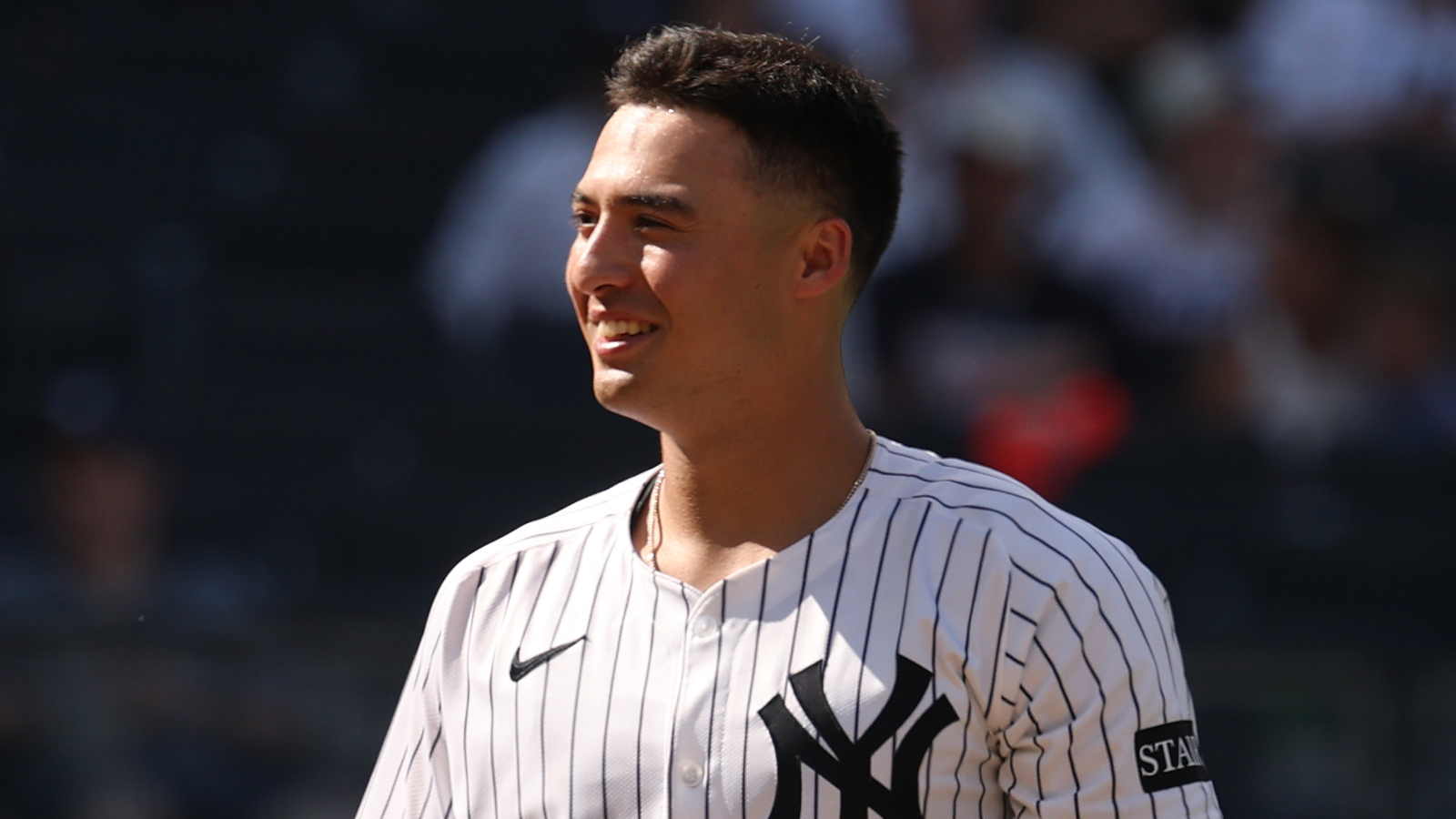
Navigating Fan Interactions in the Stadium
Being the parent of a New York Yankee comes with its own set of challenges, particularly during "Subway Series" matchups against the Mets. The passion of New York sports fans can occasionally boil over, and Anthony Volpe's dad has found himself at the center of these electric atmospheres. A notable instance involved a heated exchange between Volpe's father and a Mets supporter, highlighting the protective and passionate nature of the family. These moments serve as a reminder that for the families of athletes, the game is not just a professional pursuit but a deeply personal one.
Such interactions are common in the tribal landscape of MLB, where the line between sporting rivalry and personal friction often blurs. For the Volpe family, these exchanges underscore the emotional investment they have in Anthony's success. While the players maintain professional distance on the field, the parents often experience the game with a raw intensity that mirrors the fans in the bleachers.
Cultural Heritage and Family Identity

Connecting Heritage to Athletic Achievement
A significant aspect of the Volpe family identity is their rich cultural heritage. Anthony Volpe's background, including his Filipino roots, plays a role in the family's identity and how they connect with a diverse fan base. This blend of cultures often informs the values passed down from father to son—resilience, humility, and a strong sense of community. When Volpe achieves milestones, such as winning the Golden Glove, it is viewed not just as an individual achievement but as a victory for the entire family lineage.
This heritage provides a unique lens through which to view his development. The integration of diverse cultural perspectives often helps athletes develop a more holistic approach to their mental game, allowing them to draw strength from a broad support network that extends beyond the baseball diamond.
The Legacy of the Father-Son Bond in Baseball
The trajectory of Anthony Volpe's career continues to evolve, but the constant remains the steadfast presence of his father. From the early days of youth leagues to the bright lights of Yankee Stadium, the guidance provided by Anthony Volpe's dad has been a cornerstone of his journey. For researchers of sports psychology, this relationship exemplifies how a supportive paternal figure can mitigate the stress of professional athletics.
As Volpe continues to establish himself as a cornerstone of the Yankees' infield, the narrative of his family's involvement serves as a blueprint for other aspiring athletes. It demonstrates that while the talent belongs to the player, the resilience is often a shared family trait, cultivated through years of mutual trust and an unwavering belief in the goal of reaching the pinnacle of professional baseball.
