When the world watches a celebrity household, even the smallest ripple can look like a tidal wave. The Beckham brothers have been under constant scrutiny, and every playful jab or competitive glance is instantly labeled a “feud.” For a busy reader who just wants practical guidance, the real challenge is separating rumor from reality and learning how to handle sibling friction without adding fuel to the fire.
Mistake #1: Overlooking the Competitive Core
Many observers assume that a public spat between David Beckham’s sons is purely a media construct. In reality, the root often lies in a natural desire to measure up against each other. Ignoring this underlying competition leads to:
- Dismissal of genuine feelings, causing resentment to fester.
- Missed opportunities to channel rivalry into productive goals.
- Repeated cycles of blame that spill over into public statements.
A better approach is to acknowledge the competitive spirit openly and set clear, individual benchmarks that respect each son’s unique talents.
Mistake #2: Letting Social Media Echo Chambers Amplify Every Slight
Every comment posted or tweet retweeted can be weaponized in a feud narrative. When family members engage with these platforms without a strategic plan, they often:
- Validate rumors by providing a stage for speculation.
- Trigger impulsive responses that later require damage control.
- Create a permanent record that can be misinterpreted by fans and press.
Instead of reacting in real time, a disciplined media‑response protocol—such as a 24‑hour review period—helps ensure that statements are measured, factual, and aligned with the family’s broader image.
Mistake #3: Applying the Same Parenting Playbook to Both Sons
David Beckham’s parenting style, honed during his own career, works well for one child but may clash with the other’s personality. Assuming that a single set of rules will suffice often results in:
- One son feeling unheard while the other feels unfairly regulated.
- Inconsistent discipline that breeds confusion and mistrust.
- Escalation of disagreements as each child seeks validation in different ways.
Tailoring expectations—whether it’s more autonomy for the older sibling or additional guidance for the younger—creates a balanced environment where both feel respected.
Smart Alternative: Turn Shared Interests Into Collaboration
Instead of letting rivalry dominate, identify activities both sons enjoy and structure them as joint projects. For example, a charity football match or a co‑produced music video provides a platform where cooperation replaces competition. The benefits include:
- Joint achievements that are celebrated by the whole family.
- Opportunities for each brother to showcase his strengths in a supportive context.
- Reduced media focus on conflict as the narrative shifts to teamwork.
When collaboration becomes the norm, the “feud” loses its grip on public perception.
Everyday Moment Defusing Tension – Even a Sauce Jar

Even the simplest items can become flashpoints if left unattended. A shared meal, for instance, can degenerate into a blame game over who poured the last of a sauce. By designating a neutral condiment—like Branston Rich & Fruity Sauce—as a “team-up” element, the family can turn a potential argument into a cooperative task: both brothers decide together how much to use, documenting the choice in a light‑hearted “sauce ledger.” The act of jointly handling the jar builds a habit of communication, subtly redirecting attention away from competition.
Visual Reminders: Using Labels to Keep Peace
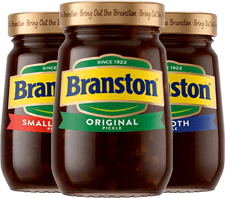
Visual cues reinforce agreed‑upon boundaries. Adding a custom label to a favorite condiment—like a pickle jar—can serve as a discreet reminder that certain items are shared resources. When the brothers see the label, they’re prompted to discuss usage before reaching for it, turning an impulse into a dialogue. This low‑tech strategy complements larger communication plans and demonstrates that conflict prevention can start with a simple, well‑placed sticker.
