If you are an experienced hobbyist planning a trip to Northern Thailand, the fever schedule 2025 is the key to timing your adventure right. Forget generic weather charts—here is a direct look at the pros, trade-offs, and realistic expectations you need to pack your bag with confidence.
Understanding the Windows of the Fever Schedule 2025
The fever schedule 2025 breaks down into three phases that directly impact your creative flow. The cool season (November to February) offers crisp air and reliable golden hour light, but the temples are busy and prices are high. The hot season (March to May) delivers dramatic afternoon storm clouds but forces you indoors during midday heat. The wet season (June to October) is the true heart of the schedule. Rain transforms the landscape into an emerald dream, but your itinerary needs flexibility. Each window trades one kind of comfort for another kind of beauty.
Navigating the Temples When the Schedule Shifts
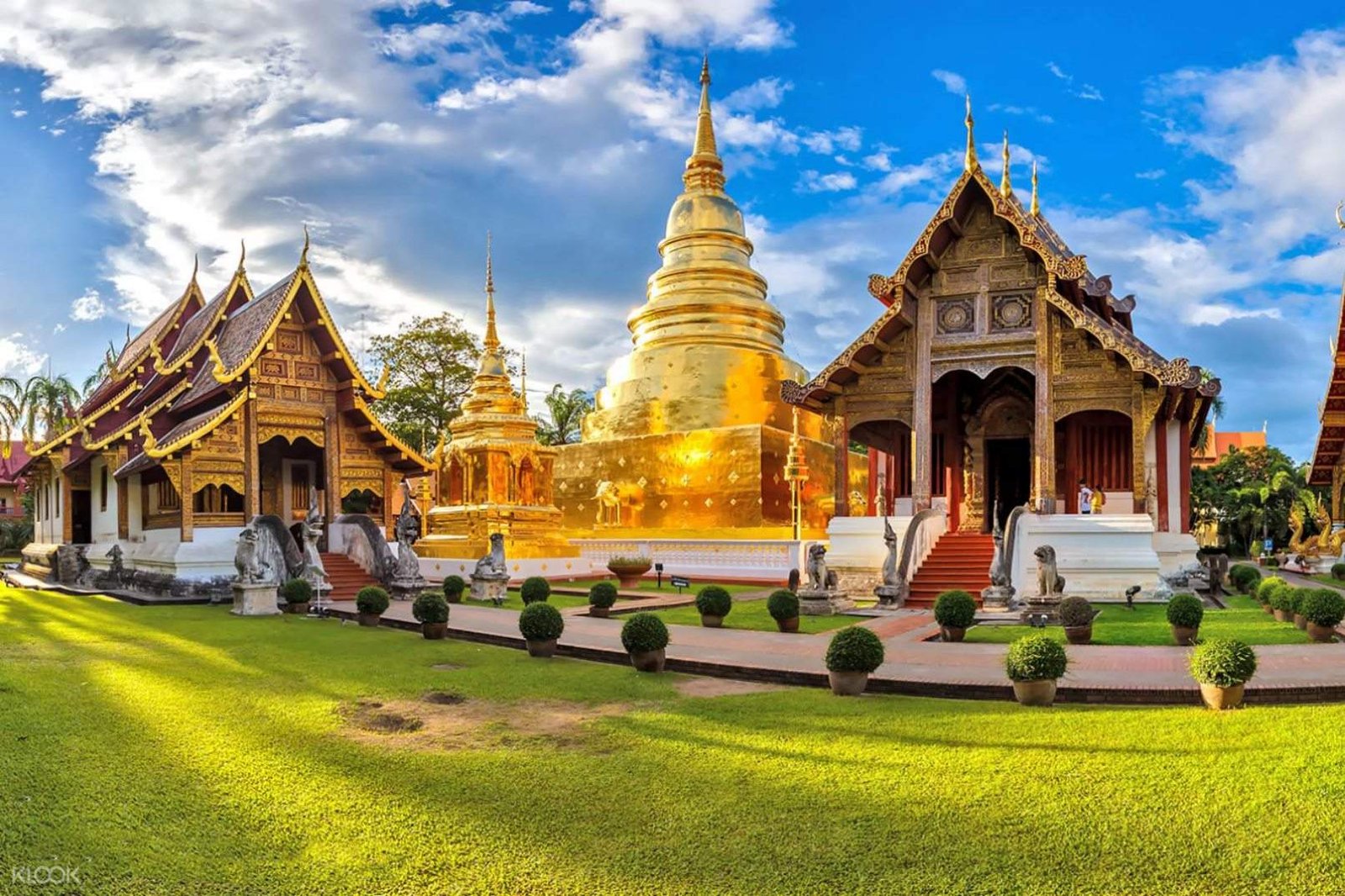
The image above captures the stillness possible when you master the fever schedule 2025. Visiting the temples of the "Rosa del Nord" during a shoulder period means you can frame your shots without fighting tour group crowds. The biggest pro here is solitude and clean compositions. The trade-off is patience—you might wait for clouds to break or pull out a poncho for your gear. For the dedicated hobbyist, this waiting is part of earning the shot rather than just snapping it.
Pros and Trade-Offs of the 2025 Season
Let's be direct about what the fever schedule 2025 really means for your suitcase and shoot list.
- The Pros: Lower accommodation prices in the green season. Softer light and dramatic skies. Fewer tourists at major sites means better access to local guides and quieter interactions. The ecosystem is thriving, which rewards macro and landscape photography.
- The Trade-offs: Higher rain probabilities require water-resistant gear. Some trails get muddy or close entirely. Mosquito activity rises during transitional months, so repellent is non-negotiable.
An experienced hobbyist uses these trade-offs as natural filters. Leaning into the fever schedule 2025 turns potential hassles into exclusive windows where the casual tourist stays home and the landscape belongs to you.
Building Your 2025 Itinerary Around Realistic Conditions
How do you actually act on the fever schedule 2025? Start by cross-referencing your target window with local festival dates. Landing in Chiang Mai during the wet season does not mean you are stuck inside. It means you book accommodation with a covered balcony for editing sessions. It means scheduling temple walks for early mornings before the humidity peaks. It means having a backup plan for drone flights. The realistic expectation is that creative travel demands adaptability. The schedule gives you the data to make those micro-decisions confidently. Do not fight the rhythm—let it filter out the crowds and leave the path open for you.
