When the phone that keeps your life in line disappears, panic sets in. You’re not just missing a device; you’re losing the digital hub that stitches together schedules, maps, and memories. This guide shows you how to locate an Android phone quickly, using built‑in tools and smart workarounds that turn frustration into a simple click.
Get Started with Google’s “Find My Device”

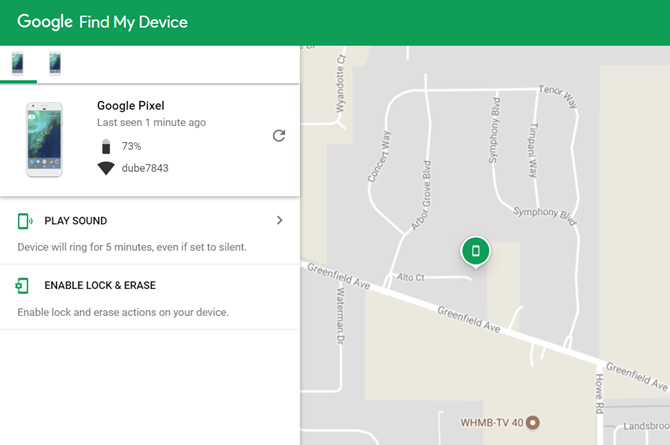
Google’s own tracking app is the frontline defense against a lost phone. To use it:
- Open Settings > Security > Find My Device on the phone, if it’s still reachable.
- Log into the same Google account on a browser or another device.
- View the last known location, play a sound, or lock the phone remotely.
If the device is offline, the map will show the last GPS coordinate. That’s a solid starting point for a search or a police report.
When the Phone Is Off – Three Workarounds
Phones that are switched off or have a dead battery are a tougher nut to crack. Here are three practical tricks:
- Ask a Friend to Log In: If you can borrow another phone, sign into the lost phone’s Google account via the web. The “Find My Device” dashboard will still display the last active position.
- Check Your Carrier’s Tracking Service: Some carriers offer a phone‑finder tool tied to your mobile plan. Log into your account and look for a “Locate Phone” option.
- Contact the Police Early: Provide them the IMEI number (find it on the original box or receipt). Police can use this to identify the device once found.
Using a Third‑Party App for Extra Visibility
When built‑in options fall short, a reputable third‑party app can fill the gap. Look for one that offers:
- Real‑time GPS tracking.
- Geofencing alerts that notify you when the phone enters or leaves a designated area.
- Battery‑saving mode that keeps the app running quietly in the background.
Install such an app before you lose a phone; you’ll have a pre‑configured safety net ready.
Preventing Future Losses: Tips You Can Apply Today
Prevention beats panic. These habits make losing a phone a rare event:
- Always enable “Find My Device” and keep the app updated.
- Set up a strong, unique lock screen PIN and enable two‑factor authentication on your Google account.
- Keep a backup of your phone’s IMEI and serial number in a secure place.
- Use a phone case with a built‑in tracking chip or RFID tag for extra peace of mind.
With these steps, you’ll be prepared to act swiftly and recover your device with confidence.
When the phone that keeps your life in line disappears, panic sets in. You’re not just missing a device; you’re losing the digital hub that stitches together schedules, maps, and memories. This guide shows you how to locate an Android phone quickly, using built‑in tools and smart workarounds that turn frustration into a simple click.
Get Started with Google’s “Find My Device”
Google’s own tracking app is the frontline defense against a lost phone. To use it:
- Open Settings > Security > Find My Device on the phone, if it’s still reachable.
- Log into the same Google account on a browser or another device.
- View the last known location, play a sound, or lock the phone remotely.
If the device is offline, the map will show the last GPS coordinate. That’s a solid starting point for a search or a police report.
When the Phone Is Off – Three Workarounds
Phones that are switched off or have a dead battery are a tougher nut to crack. Here are three practical tricks:
- Ask a Friend to Log In: If you can borrow another phone, sign into the lost phone’s Google account via the web. The “Find My Device” dashboard will still display the last active position.
- Check Your Carrier’s Tracking Service: Some carriers offer a phone‑finder tool tied to your mobile plan. Log into your account and look for a “Locate Phone” option.
- Contact the Police Early: Provide them the IMEI number (find it on the original box or receipt). Police can use this to identify the device once found.
Using a Third‑Party App for Extra Visibility
When built‑in options fall short, a reputable third‑party app can fill the gap. Look for one that offers:
- Real‑time GPS tracking.
- Geofencing alerts that notify you when the phone enters or leaves a designated area.
- Battery‑saving mode that keeps the app running quietly in the background.
Install such an app before you lose a phone; you’ll have a pre‑configured safety net ready.
Preventing Future Losses: Tips You Can Apply Today
Prevention beats panic. These habits make losing a phone a rare event:
- Always enable “Find My Device” and keep the app updated.
- Set up a strong, unique lock screen PIN and enable two‑factor authentication on your Google account.
- Keep a backup of your phone’s IMEI and serial number in a secure place.
- Use a phone case with a built‑in tracking chip or RFID tag for extra peace of mind.
With these steps, you’ll be prepared to act swiftly and recover your device with confidence.
