When you’re looking to give your backyard a fresh look, a patio roof extension is often the first solution that comes to mind. It offers shade, protection, and a touch of elegance, turning a simple patio into a year‑round living area. Below is a practical, step‑by‑step guide to planning, choosing the right style, and installing a patio roof that blends seamlessly with your home.
Assessing Your Space and Needs
Begin by mapping the dimensions of your patio. Measure length, width, and existing obstructions like trees or neighboring structures. Determine whether the roof will be a permanent addition or a removable cover for seasonal use. Ask yourself: Do you need full protection from rain or just a sunny, shaded spot? This assessment will dictate material choices and the overall design.
Selecting the Right Roof Style
There are several popular patio roof designs that suit different aesthetics and budgets:
- Flat Roof Covers – Ideal for modern homes, these are low‑profile and easy to install.
- Gable Style Roofs – Classic and versatile, they echo traditional architecture while providing ample protection.
- Metal Roof Extensions – Durable, lightweight, and available in various colors, metal roofs are a favorite for their longevity.
Choosing the correct style ensures that the new roof complements the existing roofline and exterior décor.
Material Matters: From Metal to Fabric
Different materials offer distinct benefits:
- Metal – Reflective, fire‑resistant, and long‑lasting. It works well in sunny climates.
- Polycarbonate – Transparent or frosted, it lets light in while shielding against UV rays.
- Canvas or Polyurethane Covers – Flexible and affordable, best suited for temporary or seasonal use.
Consider your local weather patterns: heavy rain may require a more robust material, whereas a dry area can benefit from a lightweight, sun‑blocking option.
Gable Style Roof: A Classic Choice
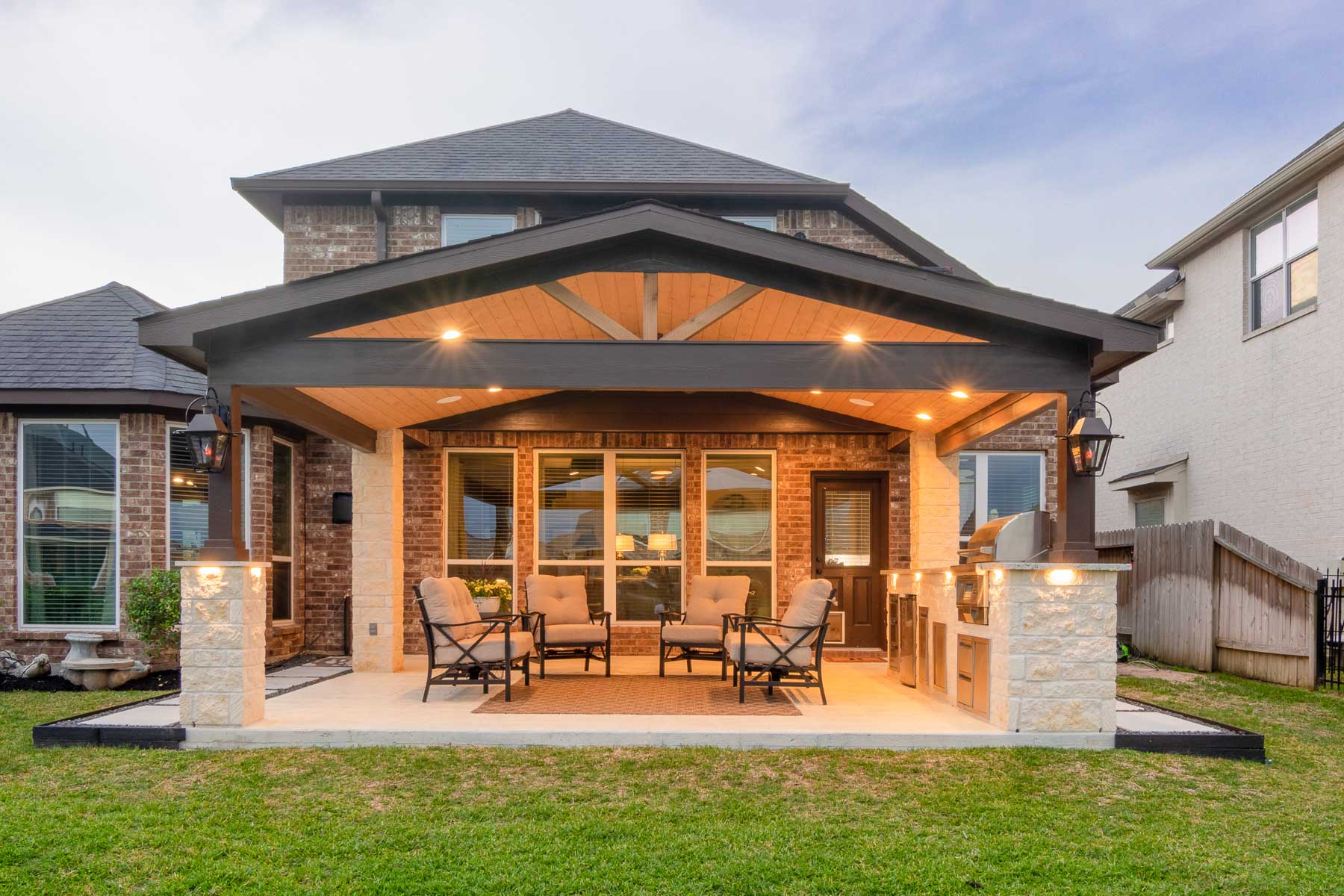
The gable style roof is a timeless option that mirrors the house’s original architecture. Its triangular shape not only adds visual interest but also facilitates efficient water runoff. If your home has a pitched roof, a gable extension can create a cohesive look while providing generous coverage.
Metal Roof Extension Ideas

Metal roofs are celebrated for their durability and low maintenance. They reflect heat, keeping your patio cooler during summer months, and they can be installed quickly with a lightweight frame. For a modern aesthetic, opt for a subtle gray or a bold black finish that contrasts beautifully with natural wood or stone patio surfaces.
Installation: DIY vs. Professional Help
While some homeowners can tackle a basic frame and cover, a professional installer ensures structural integrity and compliance with local building codes. A qualified contractor will:
- Secure the roof to the existing structure, preventing wind uplift.
- Install proper flashing to avoid leaks.
- Ensure the roof meets your local climate requirements.
Even if you choose a DIY approach, hiring a structural engineer for the frame can save future headaches.
Finishing Touches: Lighting and Accessories
Enhance the new patio roof with subtle lighting—string lights or LED strips along the edges create a cozy evening atmosphere. Adding a retractable awning or a skylight can further increase versatility. Finally, choose a color palette that complements your outdoor furniture and landscaping for a harmonious look.
Maintenance Tips for Longevity
Regular inspections after heavy rain or seasonal changes will catch minor issues early. Clean metal surfaces with a soft brush and mild detergent to prevent corrosion, and check for mold or mildew on fabric covers. With proper care, your patio roof extension can remain a feature of your home for decades.
When you’re looking to give your backyard a fresh look, a patio roof extension is often the first solution that comes to mind. It offers shade, protection, and a touch of elegance, turning a simple patio into a year‑round living area. Below is a practical, step‑by‑step guide to planning, choosing the right style, and installing a patio roof that blends seamlessly with your home.
Assessing Your Space and Needs
Begin by mapping the dimensions of your patio. Measure length, width, and existing obstructions like trees or neighboring structures. Determine whether the roof will be a permanent addition or a removable cover for seasonal use. Ask yourself: Do you need full protection from rain or just a sunny, shaded spot? This assessment will dictate material choices and the overall design.
Selecting the Right Roof Style
There are several popular patio roof designs that suit different aesthetics and budgets:
- Flat Roof Covers – Ideal for modern homes, these are low‑profile and easy to install.
- Gable Style Roofs – Classic and versatile, they echo traditional architecture while providing ample protection.
- Metal Roof Extensions – Durable, lightweight, and available in various colors, metal roofs are a favorite for their longevity.
Choosing the correct style ensures that the new roof complements the existing roofline and exterior décor.
Material Matters: From Metal to Fabric
Different materials offer distinct benefits:
- Metal – Reflective, fire‑resistant, and long‑lasting. It works well in sunny climates.
- Polycarbonate – Transparent or frosted, it lets light in while shielding against UV rays.
- Canvas or Polyurethane Covers – Flexible and affordable, best suited for temporary or seasonal use.
Consider your local weather patterns: heavy rain may require a more robust material, whereas a dry area can benefit from a lightweight, sun‑blocking option.
Gable Style Roof: A Classic Choice
The gable style roof is a timeless option that mirrors the house’s original architecture. Its triangular shape not only adds visual interest but also facilitates efficient water runoff. If your home has a pitched roof, a gable extension can create a cohesive look while providing generous coverage.
Metal Roof Extension Ideas
Metal roofs are celebrated for their durability and low maintenance. They reflect heat, keeping your patio cooler during summer months, and they can be installed quickly with a lightweight frame. For a modern aesthetic, opt for a subtle gray or a bold black finish that contrasts beautifully with natural wood or stone patio surfaces.
Installation: DIY vs. Professional Help
While some homeowners can tackle a basic frame and cover, a professional installer ensures structural integrity and compliance with local building codes. A qualified contractor will:
- Secure the roof to the existing structure, preventing wind uplift.
- Install proper flashing to avoid leaks.
- Ensure the roof meets your local climate requirements.
Even if you choose a DIY approach, hiring a structural engineer for the frame can save future headaches.
Finishing Touches: Lighting and Accessories
Enhance the new patio roof with subtle lighting—string lights or LED strips along the edges create a cozy evening atmosphere. Adding a retractable awning or a skylight can further increase versatility. Finally, choose a color palette that complements your outdoor furniture and landscaping for a harmonious look.
Maintenance Tips for Longevity
Regular inspections after heavy rain or seasonal changes will catch minor issues early. Clean metal surfaces with a soft brush and mild detergent to prevent corrosion, and check for mold or mildew on fabric covers. With proper care, your patio roof extension can remain a feature of your home for decades.
