In an era where visual storytelling dominates our digital feeds, the pursuit of the perfect aesthetic has led many to search for specific styles of photography and digital art. When people look for laura rutledge images, they are often seeking a particular blend of mood, composition, and authenticity that cuts through the noise of overly filtered social media trends. Understanding the nuances of this visual style requires looking past the surface and examining how light, subject, and intention converge to create a lasting impression.
Why do certain laura rutledge images resonate more than others?
The magnetism of high-quality imagery usually lies in the tension between the planned and the spontaneous. Many of the most celebrated shots in this category avoid the "catalogue look," instead opting for a narrative approach where the subject feels caught in a genuine moment. The pro of this approach is an immediate emotional connection with the viewer; the trade-off is that such images often require more patience to capture and more careful editing to maintain that raw feel without appearing unpolished.
For the trend-aware observer, the appeal is rooted in "curated realism." It is the art of making a meticulously planned shoot look like a lucky accident. This requires a deep understanding of color theory—using muted tones or strategic pops of color to guide the eye—and a willingness to embrace imperfection, such as a stray hair or a natural shadow, which adds a layer of humanity to the frame.
How does archival inspiration shape modern visual trends?
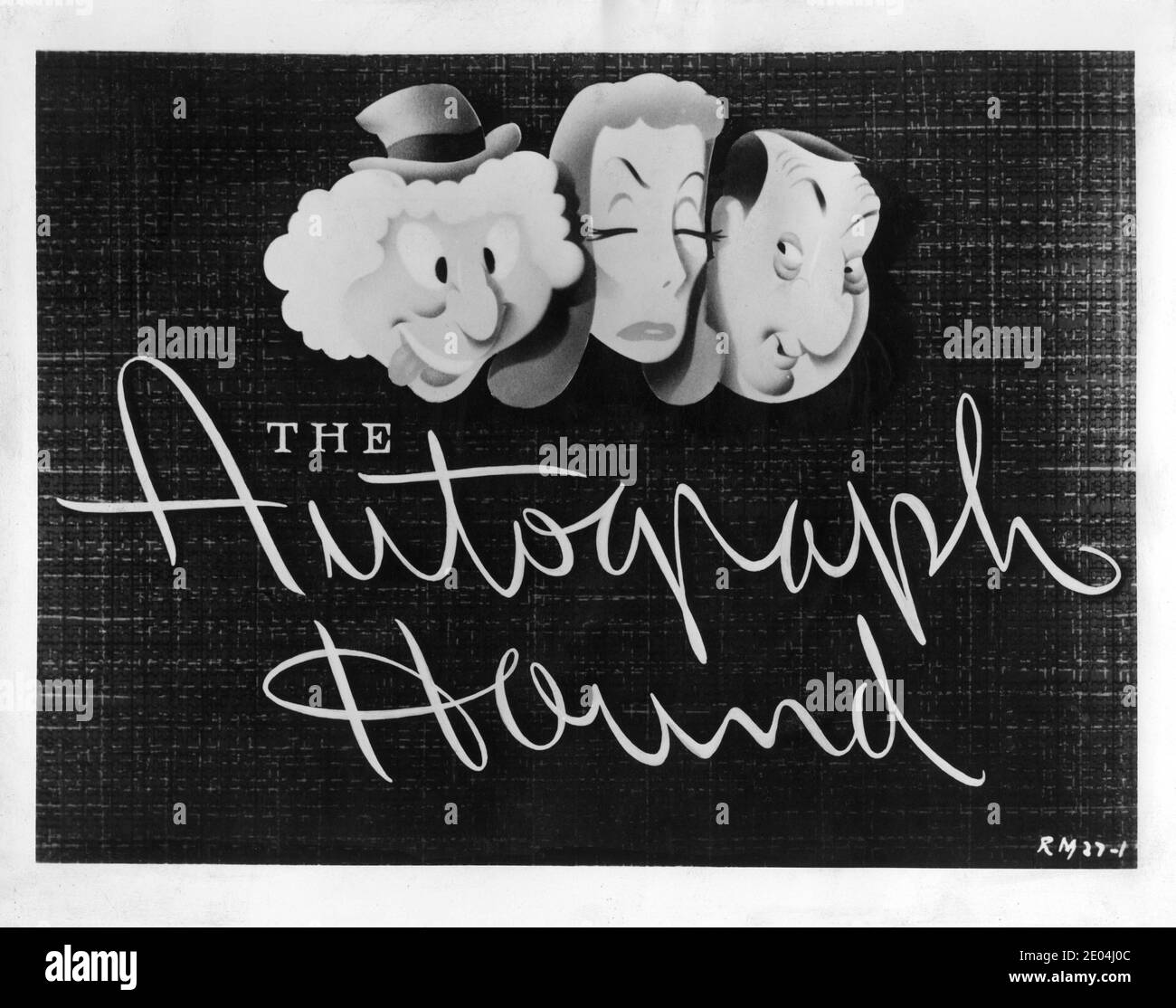
Modern aesthetics rarely exist in a vacuum. Many creators who specialize in sophisticated imagery draw heavily from the golden age of cinema and early studio photography. By studying how lighting was used in the 1930s and 40s to create drama and depth, contemporary photographers can elevate their work. The integration of these "old world" techniques into modern digital formats creates a hybrid style that feels both nostalgic and fresh, providing a sophisticated alternative to the saturated, high-contrast looks common on mobile apps.
What are the realistic expectations for achieving this look?
It is easy to assume that a specific "look" is the result of a single filter or a high-end camera. However, the reality is that achieving the quality seen in top-tier laura rutledge images involves a combination of gear, environment, and post-processing. For those attempting to replicate this style, it is important to manage expectations regarding the learning curve. You cannot simply buy the equipment; you must learn how to manipulate light.
- Lighting: Natural, diffused light is almost always superior to direct flash for creating a soft, approachable mood.
- Composition: Moving away from center-weighted shots toward the rule of thirds or leading lines helps tell a story.
- Editing: Subtle adjustments to the "curves" and "HSL" (Hue, Saturation, Luminance) panels are more effective than applying a pre-set filter.
Can digital animation influence photographic styles?
Interestingly, the boundary between photography and animation has blurred. The bold colors and exaggerated expressions found in classic animation often leak into modern portraiture. When we see images that utilize vibrant, saturated backgrounds contrasted with a sharp subject, we are seeing the influence of graphic arts. This crossover allows photographers to experiment with "hyper-realism," where the image is technically a photo but feels as intentional and stylized as a piece of digital art.
Which approach is right for your visual project?
Deciding whether to go for a raw, candid style or a highly stylized, cinematic look depends entirely on the message you want to convey. If the goal is intimacy and trust, the candid approach—emphasizing natural light and genuine expressions—is the best route. If the goal is authority, luxury, or artistic expression, then leaning into the structured, high-contrast techniques of studio photography is more effective.
Ultimately, the most successful laura rutledge images are those that don't try to do everything at once. By choosing one primary mood and sticking to it throughout a series, you create a cohesive visual identity. The recommendation for any aspiring creator is to start with the basics of lighting before moving into complex editing, ensuring that the foundation of the image is strong before the digital enhancements are applied.
