Fans of gritty, edge‑of‑your‑seat thrillers often point to the director behind Sicario as a master of tension and visual storytelling. For a researcher who craves concrete details, this overview breaks down the director’s visual language, thematic preoccupations, and practical takeaways, starting with the broader context before diving into specific examples and ending with actionable advice.
What core visual principles define the Sicario director’s work?
At the heart of his aesthetic is a disciplined use of contrast—dark interiors against stark, natural light, and muted colour palettes punctuated by flashes of neon or blood‑red. The camera moves deliberately, favouring steadicam runs and long takes that let the environment breathe. By limiting the field of view, he channels the audience’s focus into the immediate danger, making the surrounding world feel both intimate and oppressive.
Why do trucks and industrial settings frequently surface in his scenes?
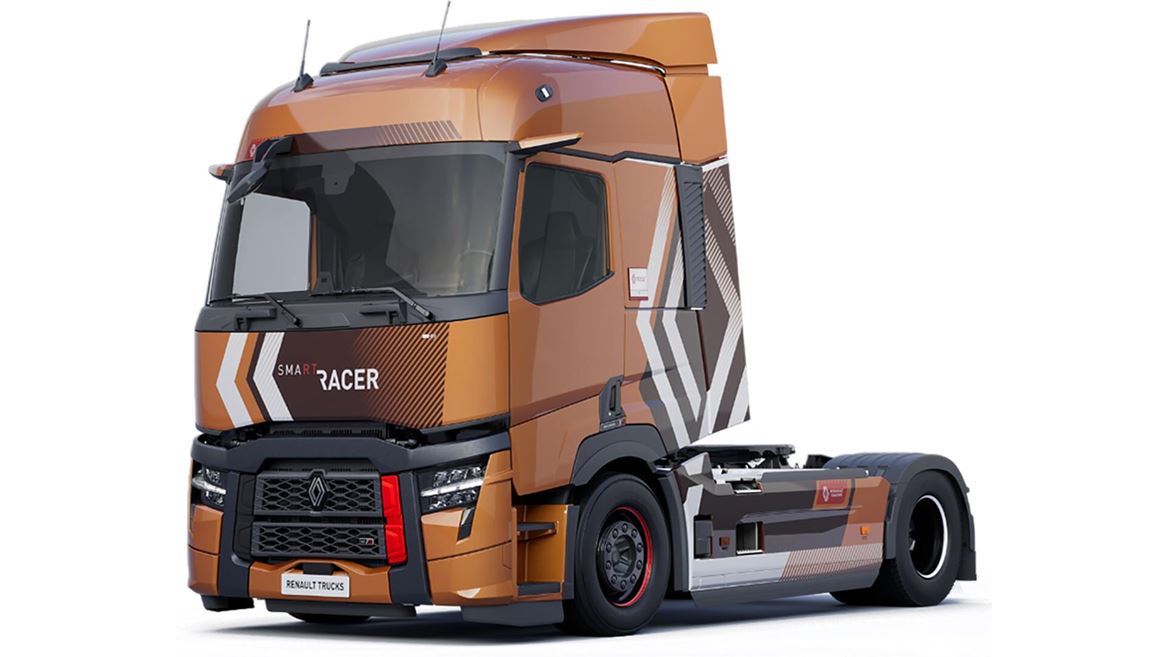
Heavy‑duty trucks, like the Renault models featured above, serve as moving pieces of the city’s infrastructure that reinforce the film’s relentless momentum. Their brutal, utilitarian design mirrors the moral ambiguity of the characters navigating a world where law and crime blur. The metallic sheen and exposed machinery provide a tactile contrast to the human drama, reminding viewers that the story unfolds within a larger, indifferent system.
How does the director’s choice of mise‑en‑scene amplify narrative tension?
Beyond vehicles, the director often stages confrontations in cramped warehouses, dimly lit parking garages, or rain‑slicked streets. In each location, props—such as the looming trucks from the Renault lineup—are positioned to block or reveal characters at critical moments, turning the environment into an active participant in the plot. This purposeful layering of space and object creates a chess‑like atmosphere where every step feels calculated.
Which recurring themes tie his stories together?
Two ideas surface repeatedly: the erosion of moral certainty and the cost of obsession. Characters are frequently placed in situations where the line between right and wrong dissolves, often against backdrops dominated by industrial machinery that symbolizes relentless, faceless power. By juxtaposing personal dilemmas with the cold efficiency of trucks and warehouses, the director underscores how individual choices can be swallowed by larger forces.
What practical lessons can emerging filmmakers draw from his approach?
First, treat location as a character: scout for sites that convey more than just scenery—think of Renault’s trucks as narrative tools rather than mere transportation. Second, employ limited colour schemes to accentuate mood; a subdued palette with occasional splashes of bright colour can guide emotional responses. Finally, favour longer takes that allow tension to build organically; a single, uncut sequence through a warehouse or loading dock can be more impactful than rapid editing.
