The question “what foot is Zidane” sounds simple, but the answer carries heavy weight for any analyst focused on practical scouting value. Watching Zinedine Zidane orchestrate a match, you see a player who seemed to make decisions without the physical limitations of a dominant foot. This is a practical decision guide to understanding his unique profile, weighing the obvious benefits of elite ambidexterity against the careful cautions every buyer of football talent should keep in mind.
What Was Zidane’s Natural Dominant Foot?
The evidence from his youth and early career points solidly to his right foot. He took penalties, free kicks, and the vast majority of his driven passes with his right. The benefit of this baseline for a value-focused buyer is clear: every player needs a foundation of technical certainty. For Zidane, that foundation was a world-class right foot. The caution here is that stopping at “right-footed” provides an incomplete picture. It fails to explain the tactical edge he had in tight midfield battles. If you evaluate purely based on a dominant foot metric, Zidane’s statistical profile would significantly undervalue his ability to impact a game from multiple angles.
How Much Value Did His Left Foot Add?
The practical value of Zidane’s left foot cannot be understated. Defenders are trained to show players onto their weaker foot. Because Zidane could receive, control, and finish with his left almost as well as his right, he effectively neutralized the most common defensive strategy. The benefit is massive for a team that buys into a creative midfielder: the system does not have to compensate for a narrow skill window. The caution for modern talent evaluators is understanding the difference between a “developed weak foot” and true ambidexterity. Zidane didn’t just favor his right slightly less; he made his left a primary weapon. This requires specific, high-volume training that isn’t guaranteed to pay off for every player.
What Is the Practical Scouting Takeaway from Zidane’s Feet?
For a value-focused buyer, the decision guide for evaluating a player’s footedness should start here. The benefit of a player like Zidane is positional fluidity. He could drift to the left wing, drop deep, or operate in the hole because he didn’t need to constantly check the ball back to his right foot. This keeps possession flowing and breaks defensive lines. The caution is that many players attempt to replicate this surface style without the underlying foundation. Zidane’s game was built on an extraordinary acceptance of using both feet equally under pressure. A player with a weaker weak foot who isolates themselves on the left wing is a liability, not an asset. The practical lesson is to look for players who demonstrate this comfort on both sides specifically in contested duels, not just in training drills.
How Does National Style Highlight Footedness?
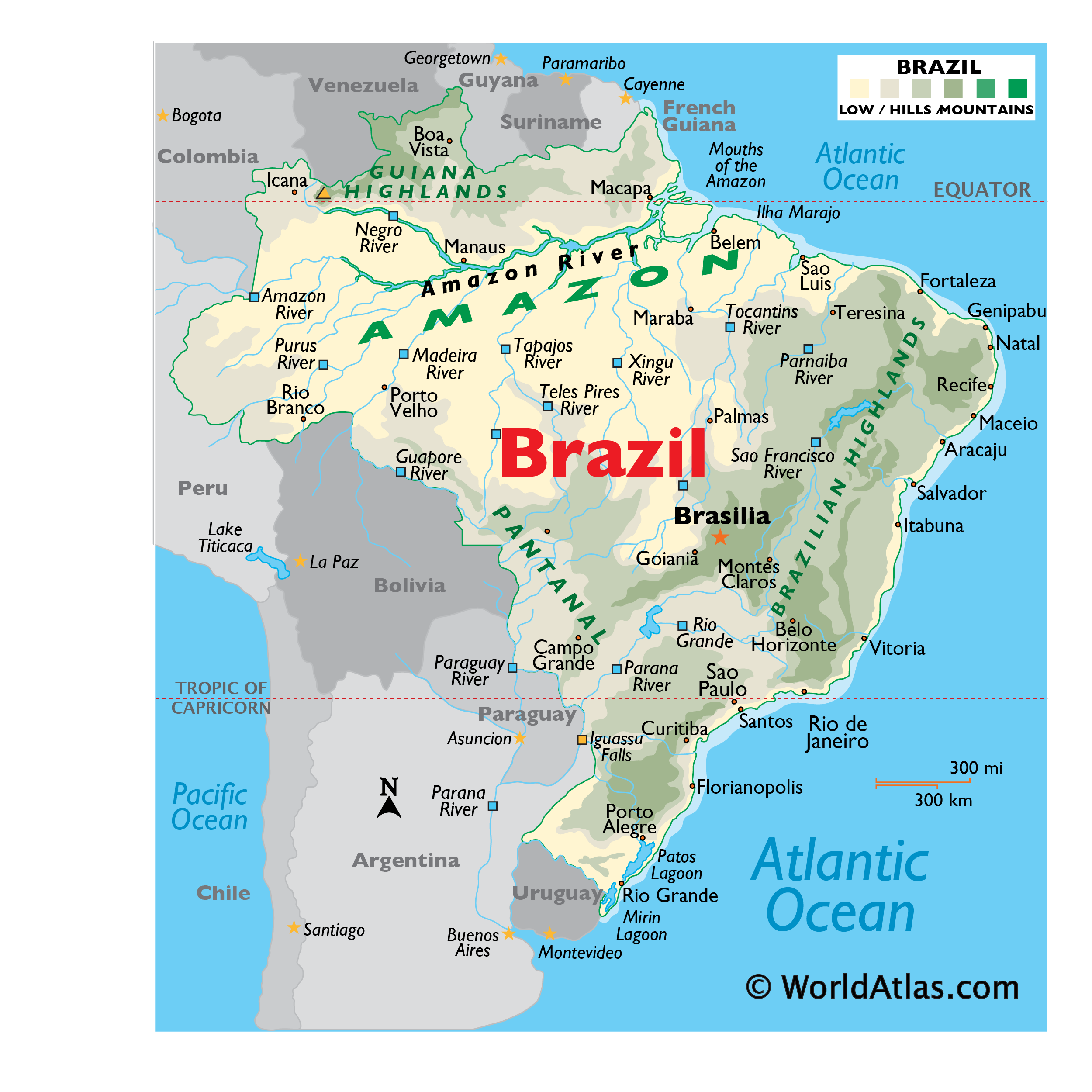
When comparing Zidane’s skill set to the traditions of elite football nations, the details become sharper. Look at a map of Brazil, a country famous for producing technically gifted wingers and attackers who often develop a single dominant foot to a near-supernatural level. The benefit of this contrast is seeing how Zidane’s specific training path—influenced by French technique and Algerian heritage—led to a different physical outcome. The value-focused buyer can use this comparison to understand that a player’s footedness is often a product of their environment and specific training, not just innate biology. The caution is against assuming a link between geography and potential; Zidane himself proves that the ceiling for developing a weak foot is far higher than most scouts initially believe.
So, What Foot is Zidane? The Final Analysis
The ultimate answer for the analytical observer is that Zidane was a naturally right-footed player who functioned as an ambidextrous midfielder. The benefit of classifying him this way is that it respects his natural base—where his power and primary passing range originate—while fully acknowledging his tactical value as a dual-threat. The caution for any article or evaluation is giving a single-word answer. To fully understand a player of Zidane’s caliber, you have to look beyond the label. The practical decision guide for evaluating any player’s foot is to identify the natural primary foot, carefully assess the secondary foot under match pressure, and ask whether the player’s game is constrained by their preference or opened up by their training. Zidane represents the highest benchmark for what is possible when a naturally one-footed player commits to becoming a fully ambidextrous genius.
